
Financial Freedom as a Second Chance: Inside the Your Money Your Goals Program
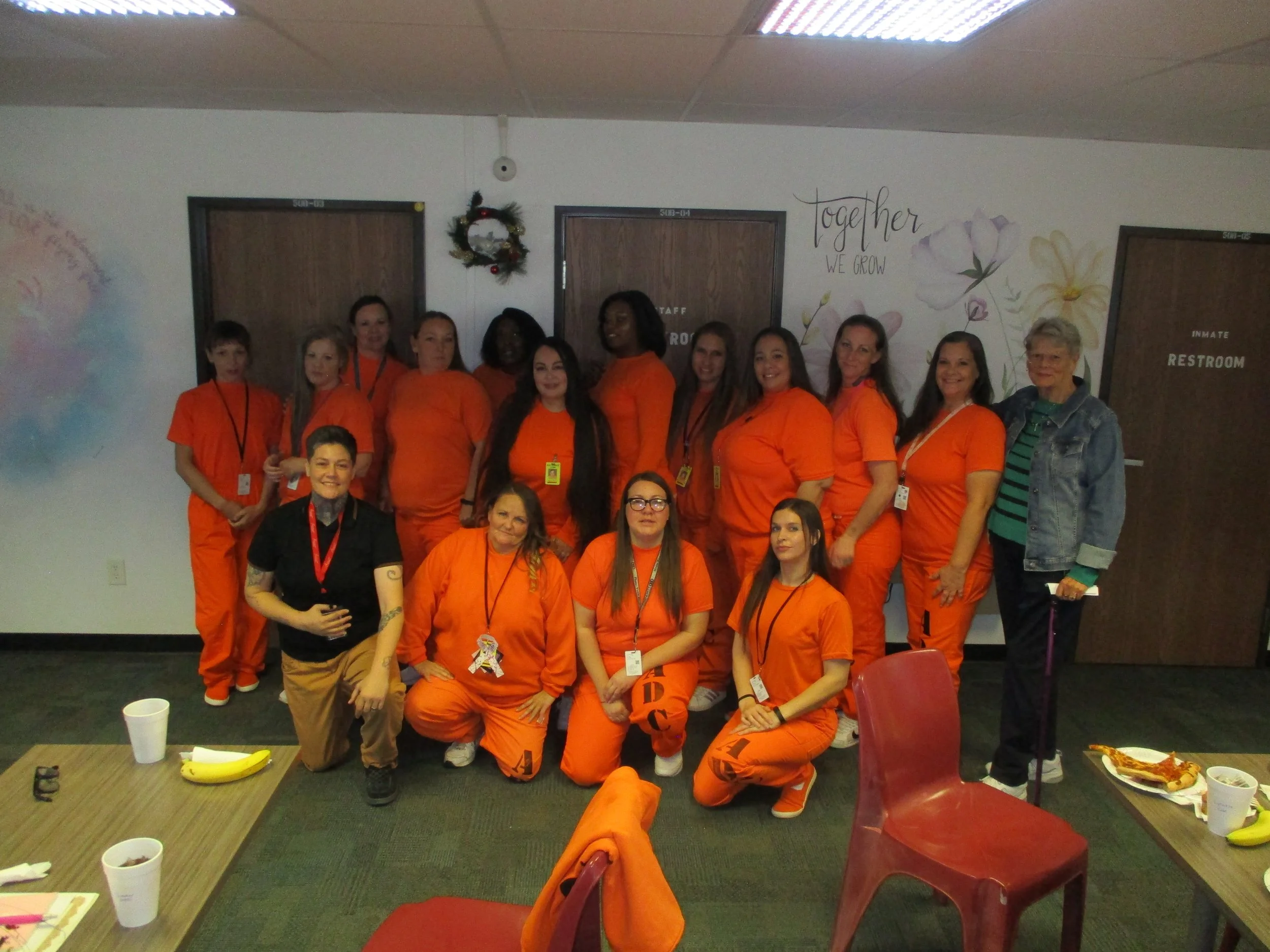
At Bridges Reentry, we believe real second chances require practical tools, trusted relationships, and the confidence to build a different future. One of the most impactful ways we support that mission is through Your Money Your Goals — a financial empowerment class offered to participants in the Second Chance program and expanding to other yards inside the Arizona State Prison Complex – Perryville. The program classes are taught by passionate volunteers with the support of Bridges Reentry staff.
The women participating in the Second Chance program are not randomly selected. They represent the top tier of initiative and commitment — individuals who advocate for themselves, interview for placement, and demonstrate they are ready to rebuild their lives. The results speak for themselves: the program maintains a recidivism rate below 4%, an extraordinary benchmark in correctional rehabilitation.
Why Financial Education Matters Before Release
Reentry is filled with pressure: reconnecting with family, securing housing, finding employment, and managing past financial damage. Many participants carry significant debt and arrive with low confidence about their ability to manage money. That’s where Your Money Your Goals becomes transformative. Each month on the Piestewa Yard, participants work through hands-on lessons that include:
Defining what financial health means to them personally
Building a realistic budget using current cost-of-living data
Understanding paychecks — gross vs. net income
Prioritizing and negotiating debt with a clear payoff strategy
Smart car purchasing decisions
Prepaid card options and how to avoid hidden fees
Credit education: accessing reports, improving scores, and rebuilding credit
Identity theft protection, including freezes and alerts with all three bureaus — critical for a population disproportionately affected by fraud
Participants also leave with tangible support: certificates, long-term planning tools, mentor applications, community resource materials, and practical items that help them transition with dignity.
The emotional shift is just as important as the financial education. Pre- and post-class surveys consistently show a dramatic change — from hopelessness and uncertainty to confidence, empowerment, and a clear plan of action. In just days, participants begin to see money not as a barrier, but as a tool that supports better life decisions.
The Power of Community and Support
Graduation ceremonies are deeply moving. Women speak openly about believing — sometimes for the first time — that they are worthy, capable, and able to contribute positively to society. Community partners reinforce a critical message: you are not alone. This CARE network becomes part of their survival toolkit after release, and many believe this ongoing connection is a major contributor to the program’s exceptional outcomes.
A similar curriculum is taught weekly on the Pedro Yard to women earlier in their sentences. These sessions allow for deeper discussion, extended learning, and relationship building. Participants often arrive uncertain about what awaits them after release, yet week by week their mindset shifts toward preparation, accountability, and hope.
Beyond Financial Skills — Restoring Dignity and Purpose
The work extends far beyond spreadsheets and credit reports. Many of these women are survivors of trauma who are learning, often for the first time, that change is possible. The classroom becomes a space where resilience grows, confidence returns, and a future feels real.
Participants share powerful moments of transformation:
“I’m not scared anymore. I have a plan — and I’m ready to start.”
“I may be in prison, but I found freedom and hope.”
“I thought I was alone, but now I know I have support waiting for me.”
These stories remind us that empowerment begins when someone believes in your ability to rise.
A Second Chance That Lasts
Your Money Your Goals is not simply a financial literacy class. It is a foundation for independence, stability, and renewed purpose. When participants understand how to manage their finances, they gain control over choices that shape their futures — housing, employment, family stability, and long-term wellbeing.
At Bridges Reentry, we see transformation every cycle. Women leave with tools, confidence, and a community standing beside them. Most importantly, they leave believing their future is worth building.
And often, that belief is where real change begins.